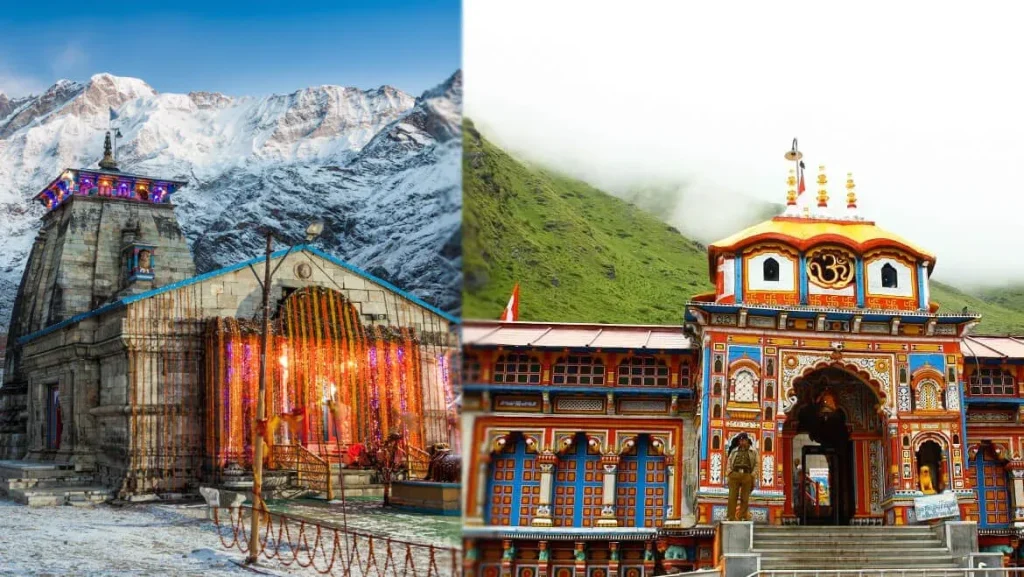
The Best Time to Visit Badrinath for Weather and Festivals
Planning a trip to Badrinath? Great decision. Whether you’re drawn to the spiritual pull of the dham or just hoping to soak in some mountain peace, timing your visit is crucial. The weather, the festivals, the crowds, everything shifts depending on the month. And let’s be honest: no one wants to travel all that way only to get rained in or miss the temple gates. So, when exactly is the best time to visit Badrinath? Let’s break it down.
Badrinath Opening Months and Travel Seasons
Badrinath Temple typically opens in late April or early May, based on the Hindu calendar, and remains accessible until around mid-November. That gives you a limited window to plan your Badrinath Dham Yatra, but not all months are created equal.
May to June | Ideal Weather, Festive Energy
This is peak season, and for good reason. The snow has melted, the valley blooms, and the temple town is buzzing with activity.
If you’re after the full spiritual experience, this is when Badrinath Tourism comes alive. Pilgrims from all over the country pour in, and local vendors, guides, and Badrinath tour packages are in full swing.
- Badrinath temperature: 12°C to 18°C during the day, with cooler nights
- Vibe: Lively, spiritual, and scenic
Tip: Book your Badrinath travel package early. Accommodations fill up fast
July to August | The Monsoon Gamble
Technically, the temple is open. Realistically? It’s a risky time to visit. Heavy rainfall can lead to landslides, road closures, and general chaos. The Badrinath Dham weather during monsoon is unpredictable. Even if you’re the adventurous type, you’ll want to think twice.
- Weather for Badrinath: Wet, foggy, often dangerous
- Best for: Honestly? Best skipped unless you have to go
September to October | Quiet Beauty
Once the monsoons retreat, Badrinath becomes calmer and quieter. The skies are clear, the greenery is lush, and the crowds start to fade. If you’re someone who appreciates peaceful travel and fewer queues at the Badrinath Temple, this might be your sweet spot.
- Temperature: 10°C to 15°C, crisp and pleasant
- Best for: travelers, Solo travelers, photographers, or anyone avoiding crowds
Note: The Badrinath travel season winds down by late October
November to April | Closed for Winter
The region gets heavy snowfall, and Badrinath Temple shuts down for winter. The dham becomes inaccessible, and the idol is moved to Joshimath for worship until spring.
Festival Season at Badrinath
If you’re keen on soaking up both the spiritual and cultural essence of Badrinath, planning your trip around local festivals is a great idea.
- Akshaya Tritiya (April/May): This marks the official Badrinath temple opening and attracts thousands for the grand ceremony.
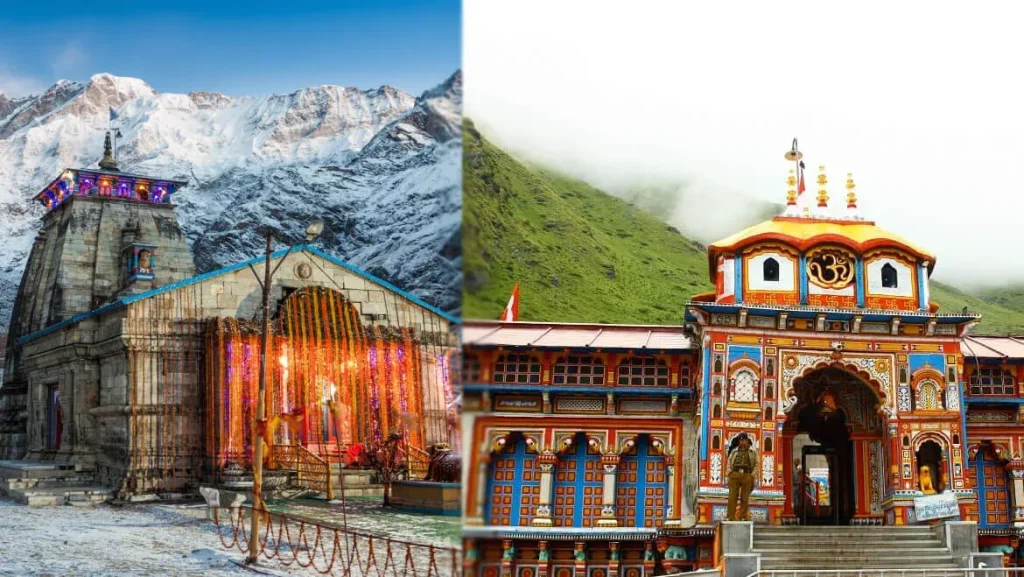
- Badri Kedar Festival (June): A cultural event featuring local music, dance, and traditions, offering a deeper taste of the region’s spiritual vibe.
Just keep in mind: festival times, crowds, and high demand. So be early with your Badrinath tour packages if this is your window.
Quick Badrinath Weather Guide by Season
| Season | Temperature | Travel Conditions |
| May – June | 12°C – 18°C | Best time, clear roads |
| July – August | 10°C – 15°C (rainy) | Risky, landslide-prone |
| Sept – October | 10°C – 14°C | Calm, beautiful, post-monsoon |
| Nov – April | Sub-zero to 5°C | Closed due to snow |
Conclusion
Planning a trip to Badrinath is more than just booking tickets it’s about aligning your journey with the right season, weather, and temple timings. Whether you’re looking for budget-friendly options or full Badrinath tour packages, getting the details right makes all the difference.
That’s where Dharmik Paryatan comes in. We specialize in organizing seamless Badrinath Yatra packages tailored to match the temple schedule, local festivals, and real-time weather conditions. Whether you’re traveling solo, with family, or in a group, our curated offerings make your experience smooth, safe, and spiritually fulfilling.
Wondering when to go? May to June brings vibrant energy and scenic beauty. September to early October offers peace and fewer crowds. Just avoid the monsoon if you’re not up for unpredictable weather and road issues. With the right guidance, your Badrinath dham yatra becomes more than a trip; it becomes a memory you’ll carry forever. Trust Dharmik Paryatan for real-time updates, local support, and packages designed around Badrinath tourism needs. Because at the end of the day, it’s not just about reaching the dham, it’s about how you experience the journey there.